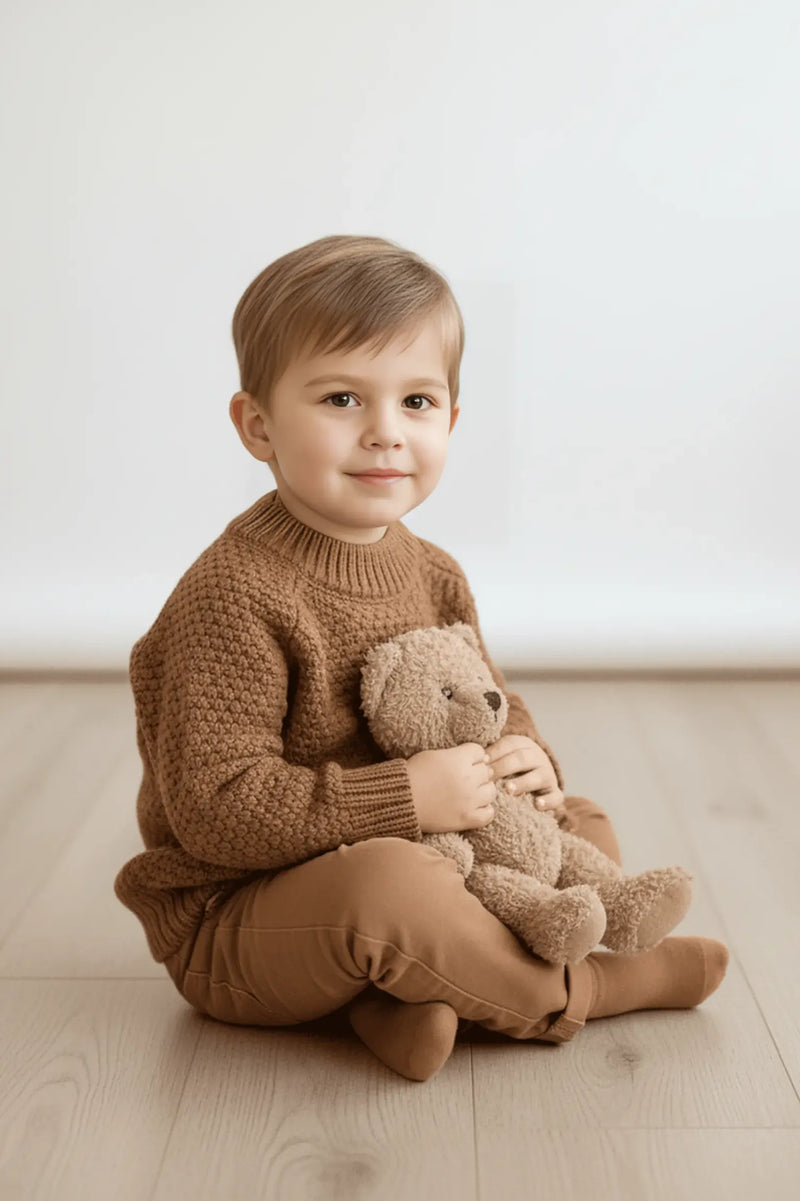
If your baby cries during outfit changes, constantly scratches at their neckline, or becomes fussy in certain clothes, clothing tags may be the hidden reason.
Many parents assume babies are simply “picky,” but research around infant sensory processing suggests otherwise. Babies experience textures, seams, pressure, and fabrics much more intensely than adults. Something as small as a scratchy tag can quickly become overwhelming for a developing nervous system.
At Bubbas & Mamas, we believe baby clothing should feel soft, breathable, and comforting from the very first wear — because comfortable babies explore, sleep, and grow better.
Why Clothing Tags Feel Different to Babies

Babies Have Highly Sensitive Nervous Systems
A baby’s sensory system is still developing during the first years of life. Unlike adults, babies cannot easily filter out uncomfortable sensations.
This means they notice:
- Scratchy clothing tags
- Thick seams
- Rough stitching
- Fabric texture changes
- Tight elastic areas
- Temperature shifts in clothing
Their brains treat these sensations as important signals instead of background noise.
Baby Skin Is More Sensitive Than Adult Skin
Baby skin is significantly thinner and more delicate than adult skin. Because of this, friction from tags or seams can feel much stronger.
Common problems caused by tags include:
- Neck irritation
- Red marks
- Itching
- Overheating
- Increased fussiness during dressing
This is why many parents search for:
- tagless baby clothes
- sensory-friendly baby clothing
- soft cotton baby rompers
- baby clothes for sensitive skin
The Science Behind Comfortable Baby Clothing
Pressure Points and Sensory Overload
Traditional sewn-in tags create uneven pressure against the skin. Even small raised surfaces can become irritating during movement, naps, tummy time, or car rides.
For babies with heightened sensory sensitivity, repetitive rubbing can quickly lead to overstimulation.

Fabric Texture Matters
Natural fibers tend to feel softer and more breathable against sensitive skin.
Some of the best fabric choices for babies include:
- Organic cotton
- Bamboo blends
- Modal fabrics
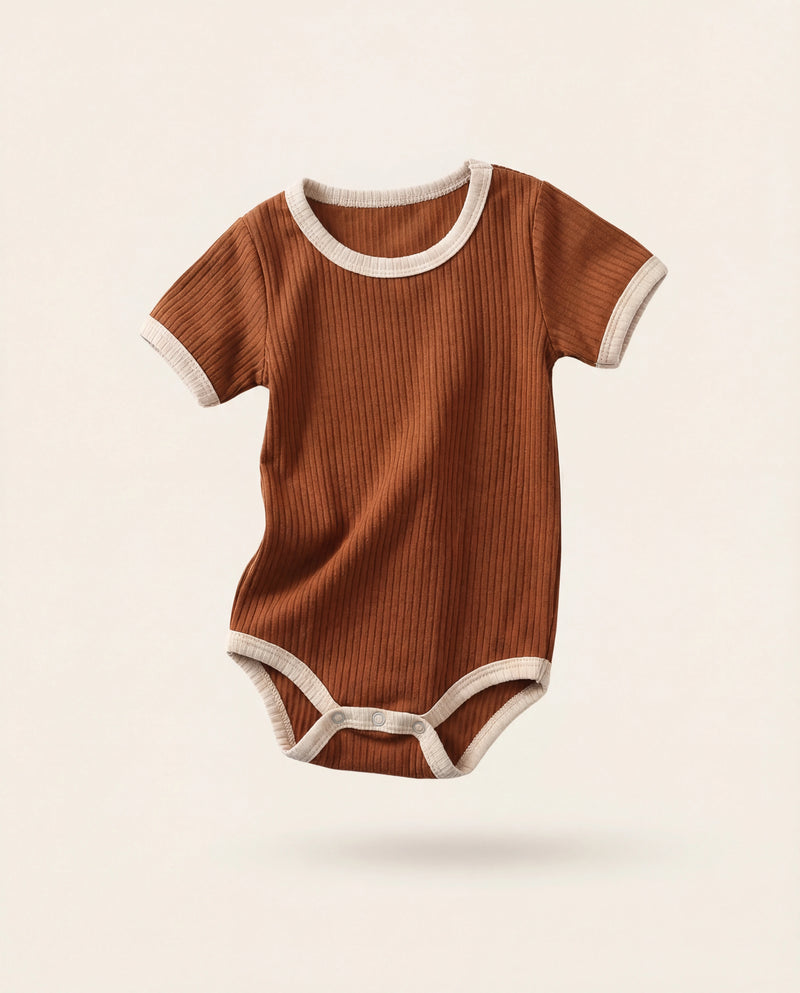
- Soft ribbed cotton knits
Our Rompers & Bodysuits Collection focuses on soft, comfortable everyday pieces designed for movement, naps, and play. (Bubba's & Mama's)
Common Signs Your Baby May Dislike Clothing Tags

Your baby may be reacting to uncomfortable clothing if they:
- Pull at their neckline
- Cry during outfit changes
- Scratch their neck or back
- Sleep better in certain outfits
- Become calmer after changing clothes
- Resist jackets or layered clothing
Sometimes parents spend weeks troubleshooting sleep or mood changes without realizing clothing discomfort is contributing to the issue.
Proven Ways to Make Baby Clothes More Comfortable

1. Choose Tagless Baby Clothing
Tagless construction removes one of the most common irritation points in baby clothing.
Modern heat-pressed labels or printed labels help reduce:
- scratching
- rubbing
- bunching
- pressure buildup
2. Prioritize Soft Natural Fabrics
Natural fabrics help regulate temperature and reduce irritation.
Look for:
- breathable cotton
- lightweight fabrics
- smooth textures
- stretch for movement
At Bubbas & Mamas Collections, many pieces are designed around softness, flexibility, and everyday comfort for babies and toddlers. (Bubba's & Mama's)
3. Look for Flat Seams
Flat-lock seams help reduce raised pressure points against sensitive skin.
This is especially important for:
- sleepwear
- bodysuits
- rompers
- base layers
- winter layering pieces
Creating Stress-Free Dressing Routines

Make Dressing More Sensory-Friendly
Small environmental changes can help babies stay calmer during clothing changes:
- Warm clothes before dressing
- Use soft lighting
- Keep the room comfortably warm
- Avoid loud background noise
- Let babies touch new fabrics before wearing them
Build Positive Associations
Comfortable clothing helps babies associate dressing with safety and calmness instead of discomfort.
Over time, this can help:
- reduce crying during changes
- improve sleep routines
- support emotional regulation
- make daily care easier for parents
Benefits of Comfortable Clothing for Babies
Better Sleep
Soft, breathable clothing helps babies stay asleep longer without irritation disrupting rest.
More Freedom to Explore
Comfortable babies move more naturally during crawling, tummy time, and early walking stages.
Reduced Daily Stress for Parents
Less discomfort means:
- easier diaper changes
- smoother bedtime routines
- fewer outfit struggles
- more enjoyable bonding moments
What to Look for When Buying Baby Clothes

When shopping for baby clothing, prioritize:
- Tagless construction
- OEKO-TEX certified fabrics
- Organic cotton
- Flat seams
- Breathable materials
- Stretch for movement
- Minimal internal stitching
If you're shopping for soft everyday essentials, explore our Baby & Toddler Clothing Collection for cozy rompers, bodysuits, sweaters, and seasonal layers designed for comfort and play. (Bubba's & Mama's)
Quick Fix for Existing Baby Clothes
If you already own clothing with irritating tags:
- Carefully remove tags using small sharp scissors
- Trim close to the seam without damaging stitching
- Smooth rough synthetic edges carefully
This simple adjustment can immediately improve comfort while transitioning toward softer, sensory-friendly clothing options.
Final Thoughts: Comfort Matters More Than Most Parents Realize
Tag sensitivity is not “pickiness.” It’s often a completely normal response from a developing sensory system.
Choosing soft, breathable, baby-friendly clothing can improve:
- comfort
- sleep quality
- emotional regulation
- dressing routines
- everyday happiness
At Bubbas & Mamas, we create clothing designed around the moments that matter most — soft fabrics, gentle comfort, and pieces made for memories. (Bubba's & Mama's)